
Origins and Context
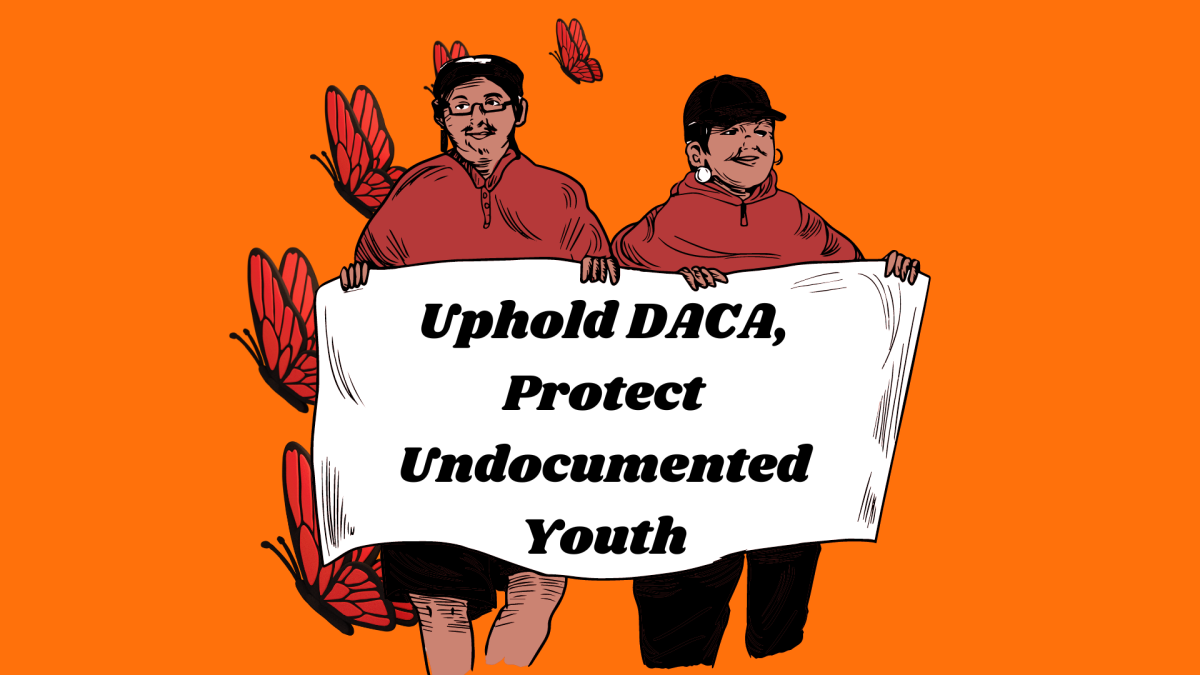
The start of the second Trump Administration in the United States marked a pivotal shift in the nation. President Trump’s firm platform on border security, immigration restriction, and militarization formed the foundation for a series of changes to federal immigration policies and enforcement, stripping undocumented immigrants of federal protections. The termination of the Department of Homeland Security’s sensitive locations (which outlined certain public areas Immigration Enforcement and Customs officers could not perform any searches or detainments on an individual without a warrant) and spikes in 287(g) agreements (which permit local and state officers to act as immigration enforcement) were among the many changes of this administration. These changes in enforcement threatened the livelihood of undocumented immigrants, leaving their legal protection in the hands of each state. As a result, the 2025 Maryland Values Act (Public Safety – Immigration Enforcement, HB1222 / Chapter 718) was introduced in the 2025 Maryland General Assembly legislative session to bring protections to undocumented Marylanders.
HB122
HB1222, sponsored by Delegate Nicole A. Williams (D-Prince George’s), was introduced to the House Judiciary Committee on February 7, originally aiming to dismantle and prohibit immigration enforcement agreements (i.e., 287(g) agreement) entirely and establish a mandatory detention of unlawfully present individuals who have been convicted of a violent crime. HB1222 saw its first major change in March 14 when the Judiciary Committee adopted Favorable with Amendments 393121/1, in which the bill replaced its original mandated detention with prohibiting ICE from accessing sensitive locations, requiring a notification when ICE activity occurs within the restricted areas, and requiring the Attorney General to define and issue guidance on what public areas are classified as a sensitive location.
When referred to the Senate, the Senate Judicial Proceedings Committee adopted Favorable with Amendments 973621/1 on April 7, removing the House’s version of prohibition on 287(g) agreements as a result of rising concerns on federal retaliation that could lead to a withholding of funding during Maryland’s $3 billion budget deficit. Additionally, elements of the Data Privacy Act that had originally failed to advance in the House were incorporated into the bill, requiring state and local governments to protect their residents’ personal data and prevent its misuse by creating a procedure that ensures the protection of personal information from ICE, unless handled through a formal process. On May 20, Governor Wes Moore signed HB1222 into law, and the Maryland Values Act became effective as of June 1. Ultimately, the 2025 Maryland Values Act became an immigration package bill in response to the Trump Administration’s anti-immigrant actions, transforming itself from a criminalizing immigration bill to a safeguard that reinforces the inalienable rights of undocumented Marylanders.
In-school significance
When schools become hostile environments, whether it’s driven by fear, bullying, coercion, or alienation, student absenteeism rises and increases the potential for early drop-outs. In the 2023-2024 academic school year, about 35% of Maryland high schoolers were chronically absent. Though the reasoning behind each student differs and is not stated, a glimpse of that reasoning can be seen through the culture and climate issues identified in the MCPS Antiracist System Audit, where results outlined how exclusionary environments lead students to avoid school. When applying the Maryland Values Act to student absenteeism and general well-being in a period of high anti-immigrant sentiment, the presence of ICE on school grounds places a target on undocumented and mixed-status students in an environment that was meant to protect them. Knowing that ICE could enter and target students in school or in public bus stops, waiting to get to school, places students at risk and would lead them to avoid coming to school due to lingering fears; the Maryland Values Act, which established schools as sensitive locations, prevents immigration agents such as ICE from unlawfully entering schools.
Establishing protections for immigrant communities, especially in a school setting, is vital in laying the foundation for an anti-racist and anti-hate school climate. When anti-immigrant laws are in place, the mental health of students who identify with immigrant communities is at grave risk. For instance, Jocelynn Rojo Carranza, an 11-year-old girl from Texas, committed suicide on February 8, after being bullied at school over her family’s immigration status. When hate is tolerated in schools, students become desensitized to recognizing hate and speaking up, eroding empathy. The Maryland Values Act puts a cap on the leak of a student’s immigration status and becomes the first measure in ensuring schools do not tolerate immigrant hate.